For the Culture Returns to Invite Audiences to Join the Conversation
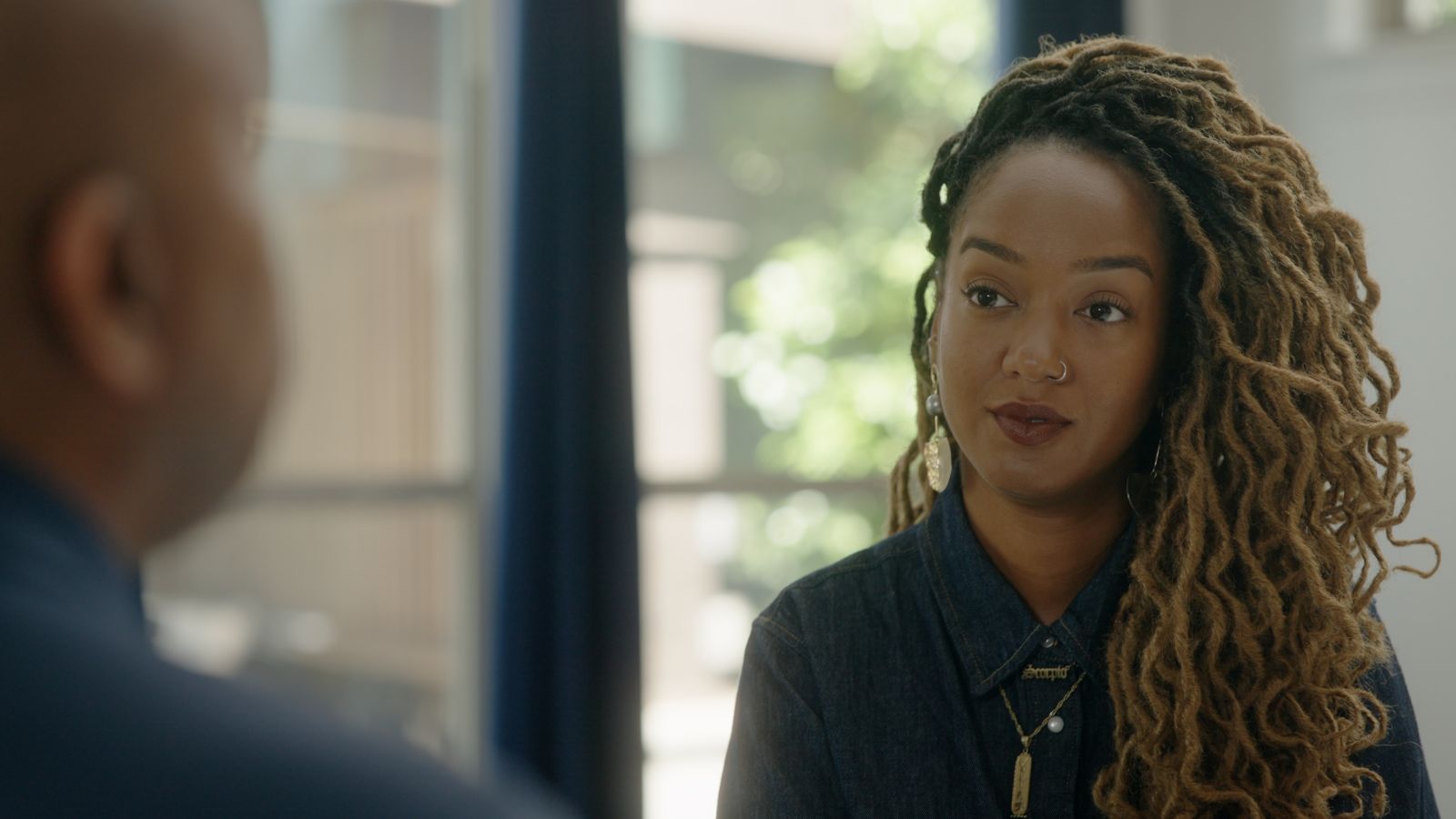
For the Culture with Amanda Parris returns for a second season to explore a diversity of Black experiences through topics like dating and travel. The post For the Culture Returns to Invite Audiences to Join the Conversation appeared first on POV Magazine.
Amanda Parris may be one of the best interviewers in the business, but one of the most powerful moments in season two of For the Culture arises when she keeps her mouth closed. The season premiere finds Parris visiting a slave castle in Ghana. After her overly animated tour guide brings her to the dungeons that held people before the slave trade took them oversees, Parris holds a beat a in the cell alone. She stands there silently and takes it all in. The moment feels overwhelming to watch, so actually being there and taking in the weight of that history in person must offer an experience beyond words.
Season two of the hit documentary series For the Culture, now streaming on CBC Gem, follows Parris around the world as she explores different facets of Black experiences. The first episode, directed by Alison Duke (Michelle Ross: Unknown Icon), considers the nature of Black travel. As Parris steps onto the sandy beaches of Ghana and tours the slave castle, the series begins with an appropriate level of gravity.
The study of Black tourism looks at the relatively new phenomenon of Black travellers enjoying a sizable nature of the market compared to previous generations. Parris speaks with researchers on the topic, along with gurus in destination countries that understand the power of harnessing Black tourists.
For the Culture finds in Ghana a site that represents the full circle nature of Black travel. Parris learns about the 2019 campaign “Year of Return” with which Ghana mobilized the nature of homecoming and encouraged Black travellers to see the point of departure of the slave trade as a sort of pilgrimage. That rite of passage inevitably has its complexities, as Parris observes while visiting the castle, now a UNESCO World Heritage Site, and watching her tour guide performatively convey the brutality of the trade. She acknowledges that people have to make a living, but finds more refreshing sights as she encounters Black joy elsewhere in the country.
For the Culture visits different tourism sites in Ghana, as well as Jamaica, to consider what it means to travel with intentionality. Parris learns from the various people she interviews that the rise in Black travellers poses a different dynamic than that of other demographics. Black travellers are more likely to spend the dollars in the community and use their buying power to uplift everyday people who make a living through local tourism. It’s far different than going to an all-inclusive resort owned by a foreign corporation and guzzling rum punch from the hotel’s beach bar, or booking a pricy cruise that pops in from one port to another.
For example, Parris visits a Rastafarian commune in Jamaica where residents invite travellers to immerse themselves in the culture beyond the stereotypical images on souvenirs by the bay. Similarly, she stops in at a museum where a local artist says the institution offers a site for education, not tourism. The distinction articulates the need to truly learn about a culture when visiting a new land, and not merely using it as a backdrop for selfies.
The series also explores how travel deepens inequalities at the local level. Parris observes this dynamic firsthand when she interviews a boat taxi driver. The police ambush them, saying that access to the beach is prohibited by law. It isn’t, though, and the camera boldly keeps rolling as the cops give Parris and her interviewee the runaround about how they can’t go to the beach. The altercation illustrates how Jamaican locals find themselves boxed out by the hotels and the privatization of the coastline. Put another way, one has more access to sandy beaches in Jamaica as a tourist, rather than as a resident. Parris observes activists fighting for their land rights as the series captures a reality of travel unseen from the comfort of the all-inclusive resort.
In the series’ third episode, which screened with episode one at the series’ premiere at Hot Docs Ted Rogers Cinema last week, Parris lines up all the single ladies to learn about dating (or not dating) while Black in 2025. The episode directed by Yasmin Mathurin (One of Ours) sees Parris speak with women in Canada, U.S.A., the U.K., and Ghana about the dating scene. This episode offers a refreshing snapshot of contemporary attitudes in the age of the swipe. Parris interviews some colourful influencers who dish on what it means to be dating while disabled, while a hilarious member of the kink community imparts her philosophy as an ethically polyamorous person who hopes to live as filthily as possible for her remaining years.
The episode doesn’t simply dunk on the men, though, even though the London-based influencers drop a choice soundbite about navigating all the dog poop on the sidewalk, so to speak. Parris joins an art class where single Black men make some paintings while talking out their feelings over wine and charcuterie. The episode features a refreshing range of male experiences here too, both straight and queer, as Parris learns about why some people prefer the comfort that comes with being a party of one.
For the Culture draws upon various experiences to share with audiences how there’s no one-size-fits all relationship. But there are also economic and practical implications to the single life, from the rising cost of rent to the burden of carrying living costs alone to the reality of needing a support network while aging.
While many of the questions raised in For the Culture apply to audiences of all stripes, Parris finds an inclusive way of interrogating aspects of life through a Black lens. The series recognizes how race continues to be a factor in any aspect of life, from travel to dating to agriculture, among the series’ other topics. On the dating front, for example, this episode sits down with a researcher who walks through the statistics about single Black women in the U.S.A, and how institutionalised violence and the carceral system rip relationships apart. But again, For the Culture turns its lens to joy as people find power in finding their perfect match—or not. There are great stories here to help anyone learn or be seen—and to keep the conversations going.
For the Culture with Amanda Parris is now streaming on CBC Gem.
The post For the Culture Returns to Invite Audiences to Join the Conversation appeared first on POV Magazine.
Related Articles
How Twisted Yoga Centres Care Amid a Web of Lies
An interview with Twisted Yoga director Rowan Deacon and executive producer Suzanne Lavery on their true crime doc now streaming on Apple. .
The Theft Review: Reclaiming Afghanistan’s Cultural History
Efforts to repatriate artifacts and artworks stolen from Afghanistan invite wider considerations of cultural history in Aisha Jamal's The Theft . .

Now Streaming: The Nest Explores Layers of History Housed Within a Home
Now streaming from the National Film Board of Canada, The Nest explores layers of history that intersect within a Winnipeg Victorian manor. .