Highlights at ReFrame Film Festival Range from Local to Global

Documentary highlights at the ReFrame Film Festival include Yanuni, The Longer You Bleed, Fairy Creek, and Agatha's Almanac. The post Highlights at ReFrame Film Festival Range from Local to Global appeared first on POV Magazine.
Peterborough’s ReFrame Film Festival returns with a focus on social justice docs. The festival runs in person from Friday, January 30 to Sunday, February 1 and then online from February 3 to 8. The added window means that readers across the province can access some festival favourites they’ve missed along the circuit.
This year’s festival includes a number of local works, such as Will Bowes’ Home, which follows Degrassi creator Linda Schuyler as she goes back to where she grew up and finds an encampment on the front lawn. The film invites audiences to consider the growing housing crisis that’s literally unfolding in their own yards. Schuyler will lead a panel discussion at the festival following the screening.
Other local works at the festival include Mark Snell’s Mr. Possibility, which observes a king of the DIY film challenge ring as he confronts the possibility of making the leap towards professional filmmaking. For the outdoorsy type, The Survival of the Wooden Canoe sees filmmakers Joan Barrett and Rodney Fuentes guide an uplifting journey through the artisanal practice behind the beloved vessel. And in Echoes of Steel, Rob Viscardis profiles an artist who refashions scrap metal into new pieces while facing his next steps as a creator.
Looking beyond the local, though, POV’s team has been fortunate to see many of the Canadian and international docs screening at the festival. Here are six highlights to enjoy alongside the local flavours.
The Nest
Fri, Jan. 30 at 4:45 PM | Online Feb. 3
Some intertwined histories fuel this unique exploration of place and memory. Julietta Singh takes a closer look at the old cavernous house she grew up in as her mother gets ready to depart the Victorian mansion. Joining forces with filmmaker Chase Joynt (State of Firsts), Singh finally confronts the ghosts that live within the manor’s walls. She realises that they don’t necessarily haunt the place, but they inform the present through layers of history that intersect ongoing fights for representation and equity in the film’s unique hybrid design. “[T]he reason is that when we’re exploring minoritized histories and when we’re exploring feminist histories of subjugation, there’s something politically fertile about representing beautifully those incredibly, intensely hard things that have been forgotten,” Singh tells Alexander Mooney in an interview for POV. “The visual beauty of the film, for me, is a refusal of the subjugation and burial of our histories.”
Yanuni
Fri, Jan. 30 at 7:30 PM | Online Feb. 3
An extraordinary portrait of an environmental activist comes in the Oscar-shortlisted Yanuni as it follows Indigenous land defender Juma Xipaia. She’s the youngest leader as chief of Brazil’s Middle Xingu region, and she uses her platform to advocate in Brazil’s political arenas with an eye to ending the illegal mining and oil extraction causing devastating environmental damage to the Amazon. At the same time, director Richard Ladkani follows Xipaia’s husband, Hugo Loss, who leads a special task force to eradicate illegal mining operations by force. “Yanuni, much like Alex Pritz’s 2022 doc The Territory on the Brazilian Amazon, emphasizes Indigenous perspectives while navigating a collaborative approach to storytelling,” I wrote in POV’s review for the film. “Xipaia receives a producer credit alongside big names like Leonardo DiCaprio, and story follows her lead in terms of perspective and lenses both macro and micro. This framing focuses on the personal stakes in environmental activism and serves solutions-based cinema on the heels of other docs that have already identified the problem. Yanuni offers activist cinema with an artful lens.”
The Librarians
Sat, Jan. 31 at 10:00 AM | Not online
Anyone who feels ready to throw the book at our neighbours down south might want to take that idea more figuratively than literally. The Librarians shows how books and the institutions that house them serve as the canaries in the coalmine for the culture wars. This provocative documentary by Kim A. Snyder goes behind the scenes with the librarians who defend books and, in turn, knowledge, representation, and freedom of speech as children become political pawns. As the librarians face harassment and violence for protecting young minds., the film opens up a deeper and darker situation “For a lot of the personal attacks and assault, I just kept thinking of the Salem witch hunt,” Synder says in an interview with POV. “They also will say that librarians are often easy to scapegoat because it is one person in a building. There’s a lot of teachers, but there’s usually the school librarian, who is easier to single out and attack, especially in social media. The misogyny is strong in the fact that all of these incredible women were targeted. I think the feminist in me also took particular offense to some of the attacks on the books themselves. They were often books like Toni Morrison‘s Beloved.”
Fair Creek
Sat, Jan. 31 at 10:00 AM | Online Feb. 3
There’s a fiery spirit of protest in Fairy Creek, Jen Muranetz’s potent study of civil disobedience as she goes to the front line of the fight to protect the forests of British Columbia. Audiences might be smart to catch this film along with fellow ReFrame selection Yanuni to see shared feats of radical action in different corners of the world, but efforts united by a goal to protect our planet. “Through documenting these protests, Muranetz codifies a moment in Canadian history that, as of writing, remains unresolved (current logging deferments are only temporary),” says Rachel Ho in her review of Fairy Creek. “By expanding the purview of the film to explore the nuances of protest and environmentalism, Fairy Creek goes a step beyond a straight snapshot in time. It becomes a necessary film for those believing they’re fighting the good fight to consider their actions and motivations.”
Agatha’s Almanac
Sun, Feb. 1 at 10:00 AM | Online Feb. 3
ReFrame’s focus on social justice docs slows down to enjoy the finer things in life with Agatha’s Almanac. Director Amalie Atkins offers a lovingly eclectic portrait of nonagenarian Agatha Bock and her passion for gardening in this true work of art, which POV called one of the top 10 docs of 2025. The film reminds audiences of the simple pleasures afforded by connecting with the Earth and being self-sustaining. “Shot in wondrously luminous 16mm images by cinematographer Rhayne Vermette, Agatha’s Almanac radiates with the pure joy that these rituals afford Bock daily. The loving colour palette accentuates the ripeness of Agatha’s bountiful and juicy fruits, from succulent red strawberries to eye-poppingly pink watermelons,” wrote Pat Mullen in his review at Hot Docs. “The weathered character of Agatha’s lived-in abode provides aesthetically pleasing contrasts, while her vibrant wardrobe, curated in collaboration with Atkins, ensure that the titular aunt’s personality radiates in every frame.”
The Longer You Bleed
Sun, Feb. 1 at 4:45 PM | Online, Feb. 1
What does war look like for a generation of people who are chronically online? It might be a bunch of live-streamed videos that expose violence as it unfolds in real time and corrects false narratives in the mainstream press. Alternatively, it might be an assortment of seemingly mindless lip syncs, cat videos, and ironic mashups that help people cope with the trauma that surrounds them. In The Longer You Bleed, director Ewan Waddell explores how the stories of Ukrainians amid Russia’s invasion create online communities, offer escapes, and provide closure, while valuable news risks being lost in a sea of misinformation and mindless memes. “Of course, there’s a lot of negatives, which [are] important to identify, but I think there’s so many positive things in terms of the power of the individual voice, holding powerful people, institutions or governments accountable, the nature of fast connectivity which isn’t mediated by companies or governments,” Waddell tells Rachel Ho in an interview. “It’s really important to discuss [the negative issues with social media] and figure out how to navigate them, both in terms of the design of the platforms and also how we are mindful about using them.”
ReFrame Film Festival runs Jan. 30 – Feb. 1.
The online festival runs Feb. 3. – 8.
The post Highlights at ReFrame Film Festival Range from Local to Global appeared first on POV Magazine.
Related Articles
Visions of the Croisette: The Ultimate Prediction for the 2026 Cannes Film Festival Main Competition
Caught between streaming algorithms and geopolitical upheaval, does cinema’s “sacredness” still matter? A Los Angeles–based team predicts the 22 Palme d’Or contenders for Cannes 2026—from PTA and Östlund to Panahi, Rohrwacher, and beyond.
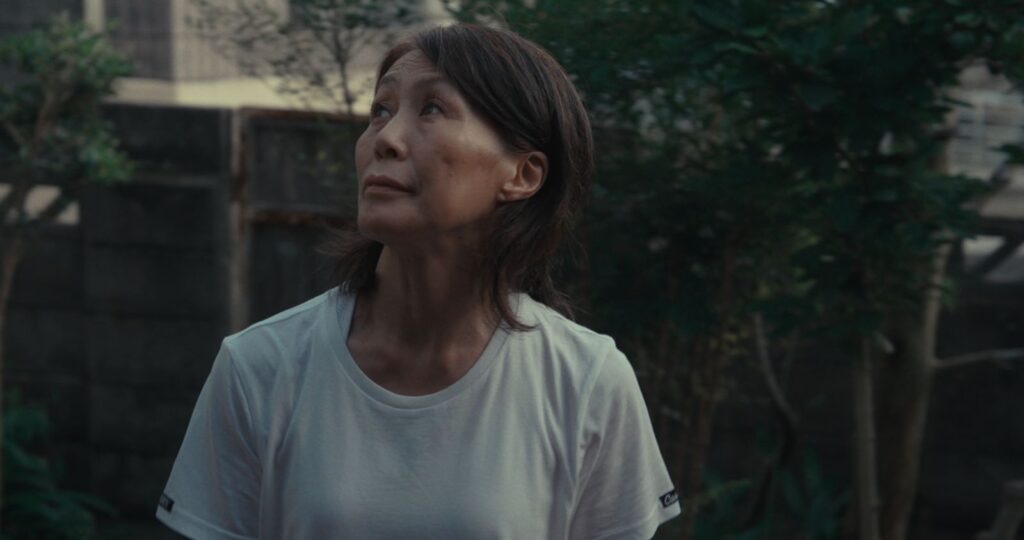
The Memory Palace: Or, If These Walls Could Talk
How films like Okuirmono, The Nest, and This House explore the histories embedded within the walls of our family homes. .
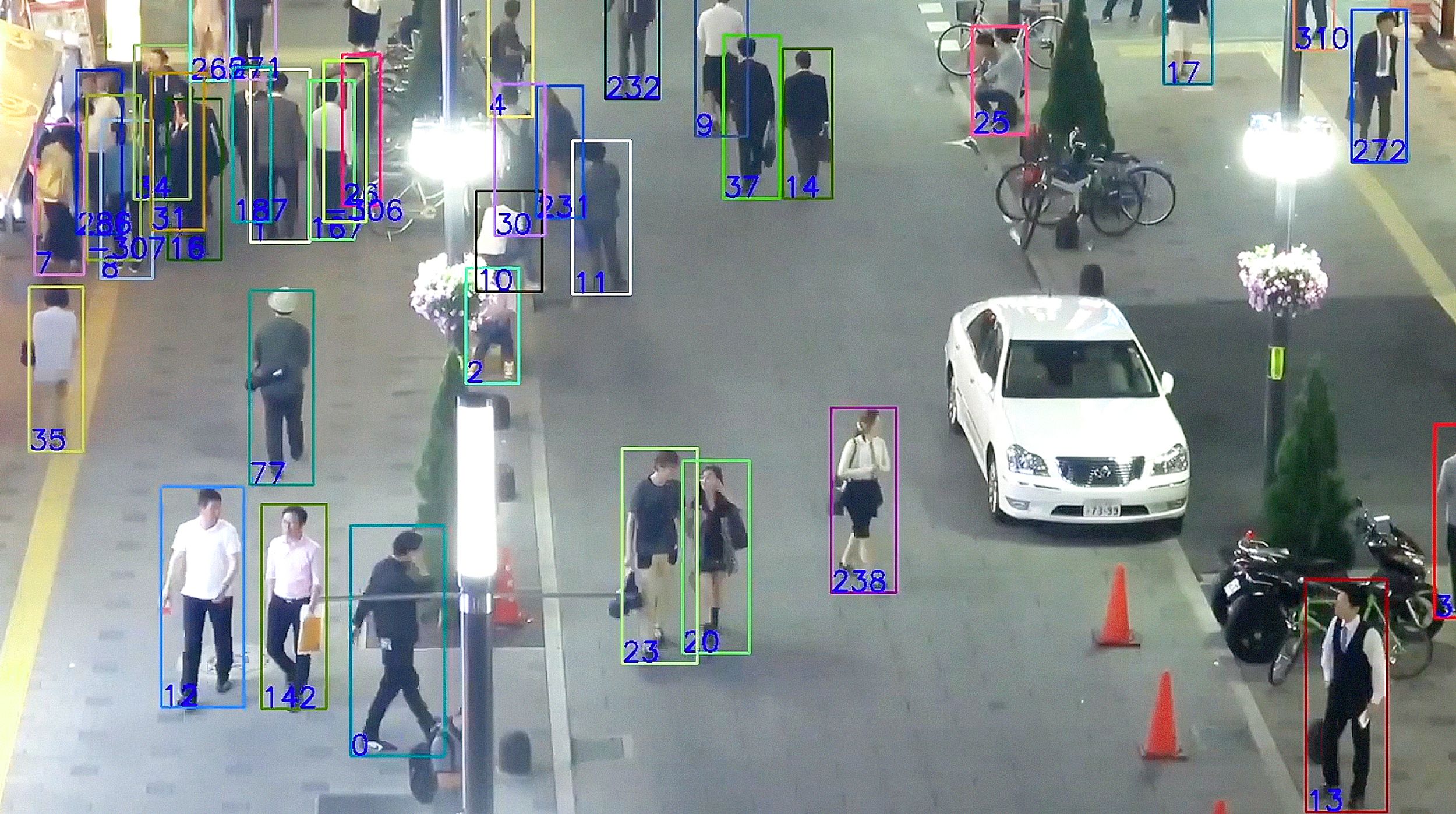
Exposing the Dark Truth of Digital Totalitarianism: Documentary 'Eyes of the Machine' Arrives in Prague as One World Film Festival Opens
Following its acclaimed premiere at IDFA Amsterdam, investigative documentary Eyes of the Machine screens at One World International Human Rights Documentary Film Festival in Prague, with Uyghur witness Kalbinur Sidik attending in person.